
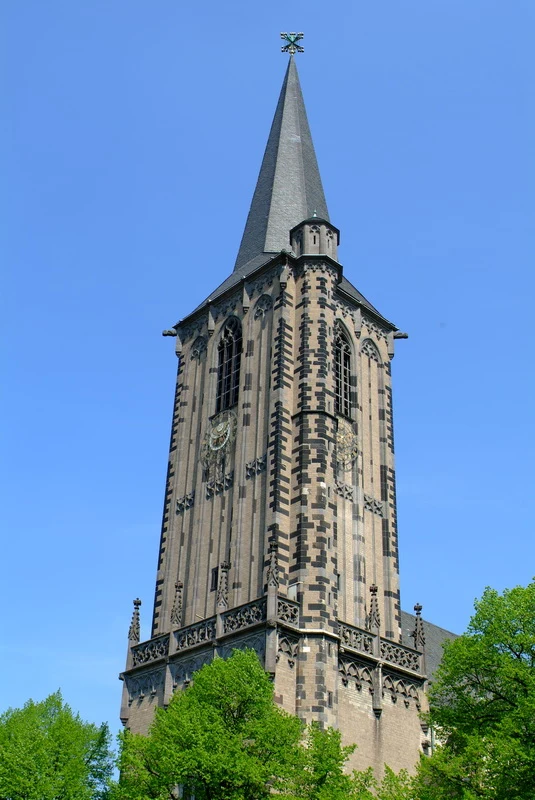
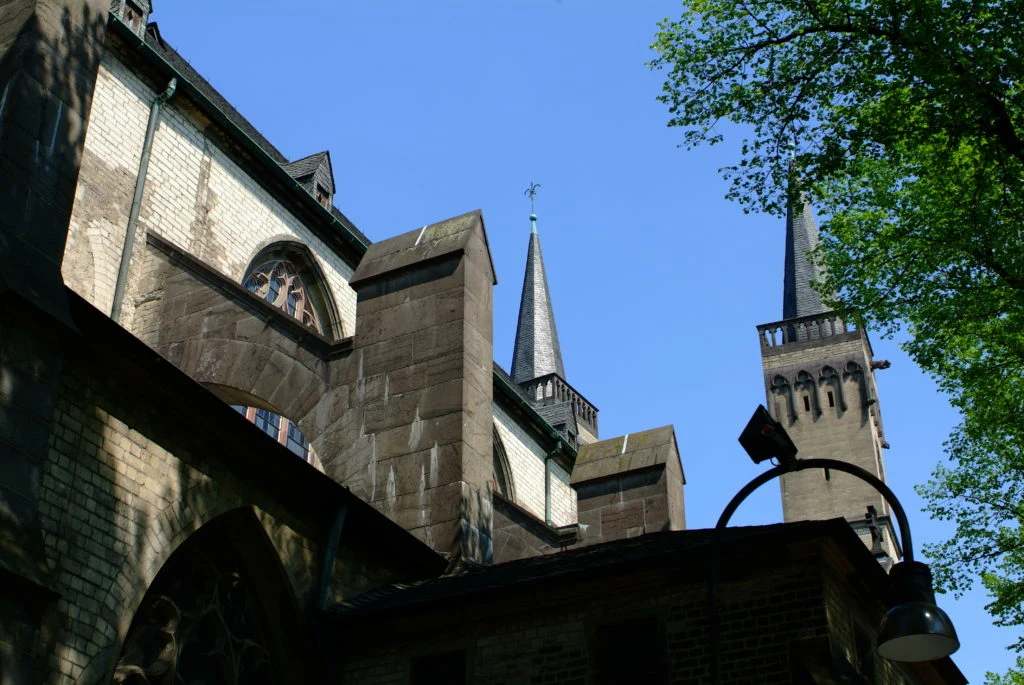
The Catholic parish church of St. Severin is Saint Severin Consecrated, after which the district, road and bridge received their name. Only about 300 m from the bank of the Rhine, built on a small elevation, it forms with its three-tower silhouette an impressive end to the urban panorama in the south.
Due to the original construction, the Basilica of St. Severin belongs to the twelve large Romanesque churches in Cologne.
From an architectural point of view, the basilica here refers to a church whose interior is divided by pillars or columns into three or more longitudinal naves, the middle of which is significantly higher than the lateral ones. This creates a high-altitude window zone in the central nave, which allows more light to enter.
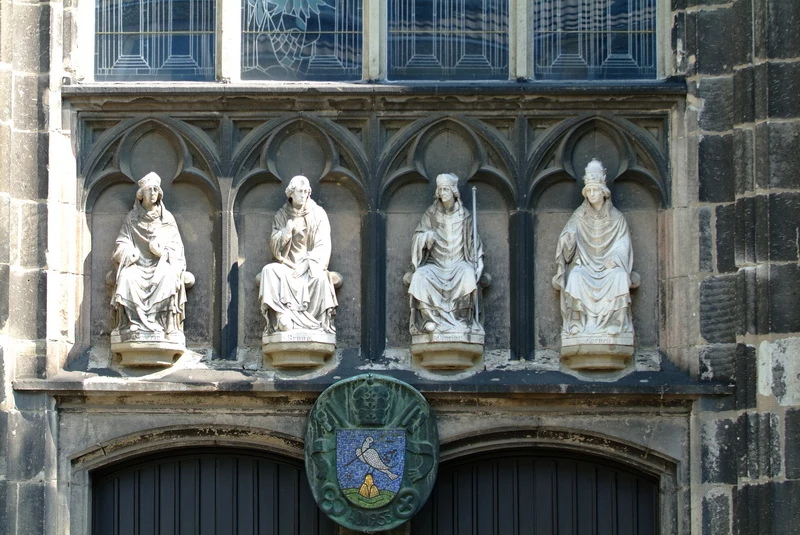
A first small church building of the 4th century was located on a Roman grave field. At the tomb of St. Bishop Severin, a community of clerics was founded in the 8th century. The oldest parts of the collegiate church date back to the 10th century. Later expansions and changes reflect the entire epoch of Cologne architecture up to the end of the Gothic period. Inside, the old equipment is largely preserved.
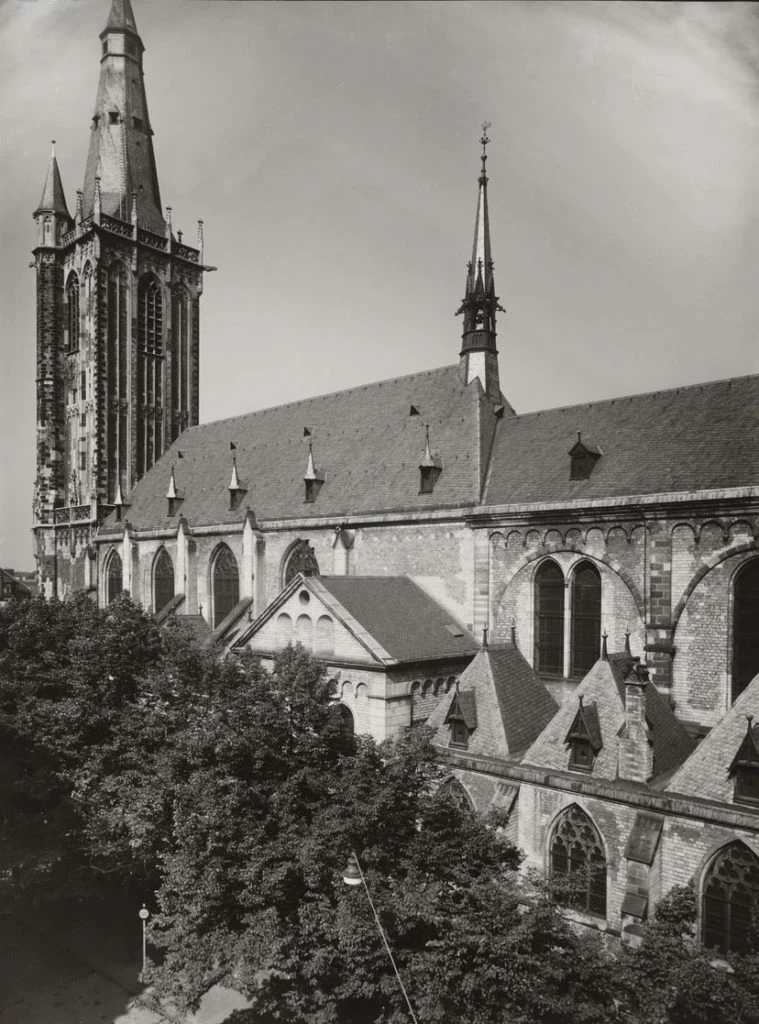
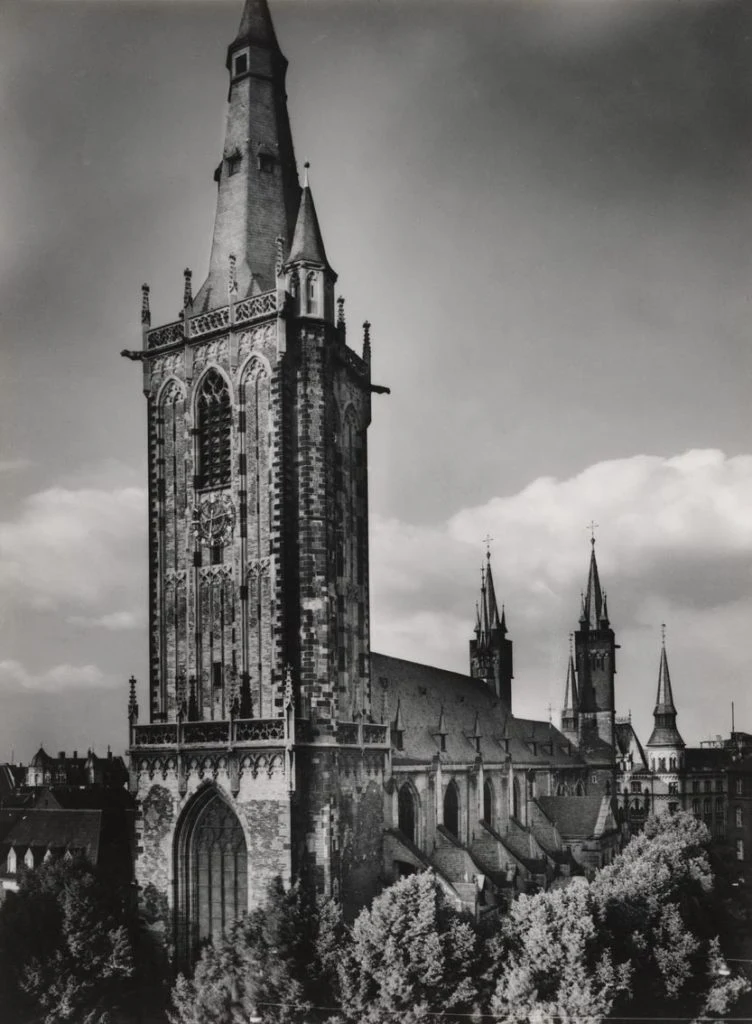
In 1945, an incendiary bomb struck the tower on the east side and destroyed large parts of the church. The elimination of war damages continued until 1961.
Severin is the third traditional bishop of Cologne, he took office in the 2nd half of the 4th century. In legend he is praised for his ability to perceive heavenly singing. However, there is no secure news about his work. His day of remembrance is October 23. The name means austerity (lat.), he is considered patron of Cologne; the weaver; for rain; against misfortune and drought.
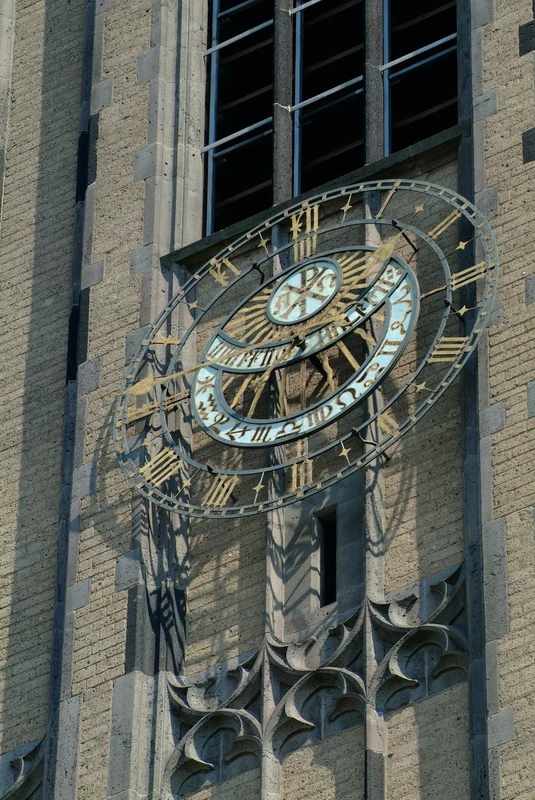
A peasant rule says: If St. Severin likes it, he brings the first cold. (At the latest from Severin, frost is to be expected as the harbinger of winter.)
In Cologne, Severin was greatly admired. At the end of the 11th century, a shrine for his relics was donated. In 1798, the shrine had to be melted down to pay the financial demands of the French occupation, leaving an enamel disc with its representation.
In 1819, a new, more modest shrine was made. In 1999, this relic shrine was opened and found that the bones date back to around 400; examination of a tooth root revealed that the deceased was 55 years old.
If you want to get more detailed information about the building history, you will find it at the Association of Romanesque Churches in Cologne.
Sources:
https://de.wikipedia.org/wiki/St._Severin_(K%C3%B6ln) https://gemeinden.erzbistum-koeln.de/st-severin-koeln/Kirchen/St_Severin/index.html https://www.romanische-kirchen-koeln.de/index.php?id=severin
Rheinische Kunststätten, issue 196, 3rd edition 1997, ISBN 3-88094-816-X