
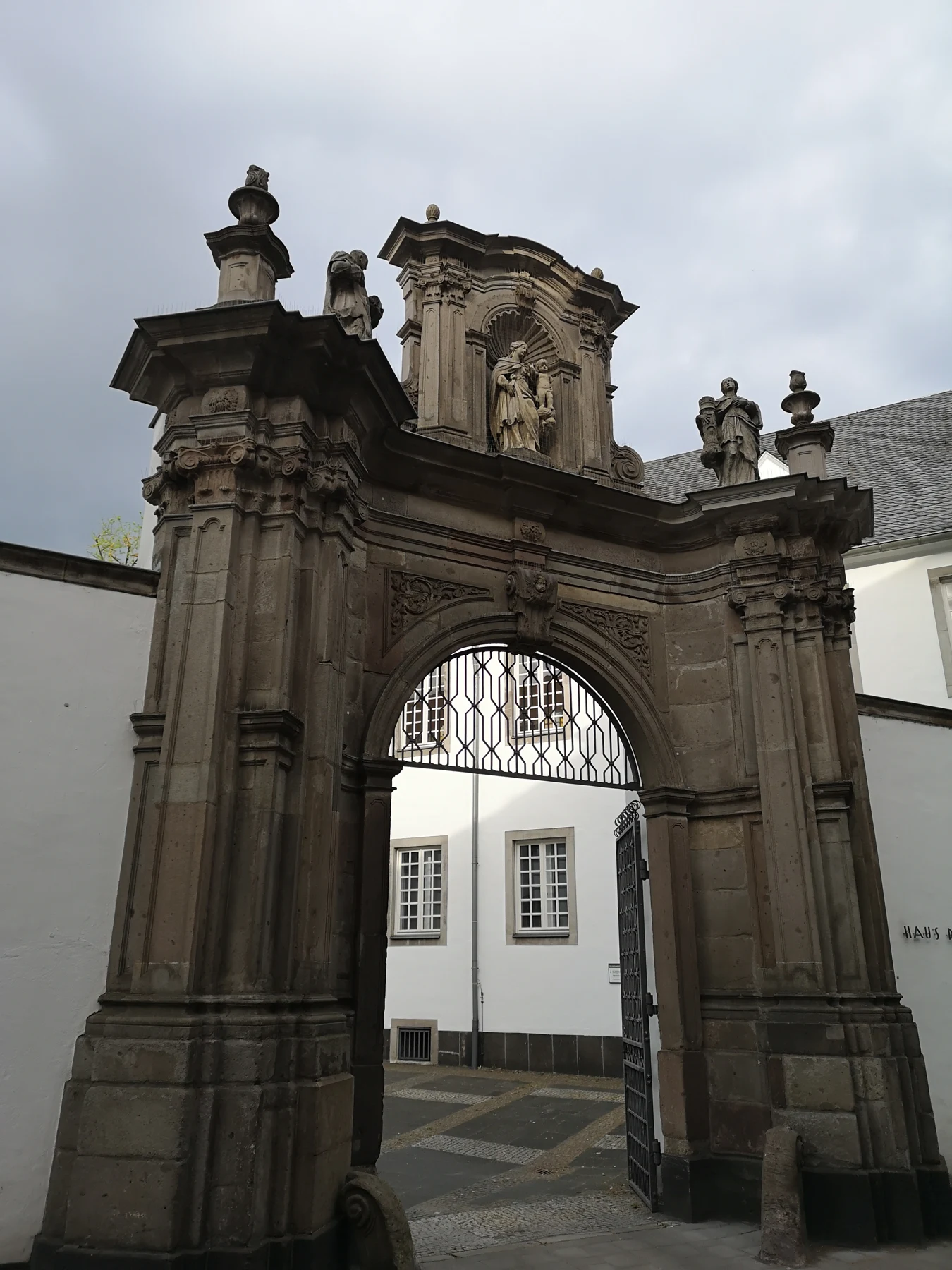
The Cologne Carthusian Museum looks back on an almost 700-year history. In 1334 a religious branch of the Carthusians was founded here.
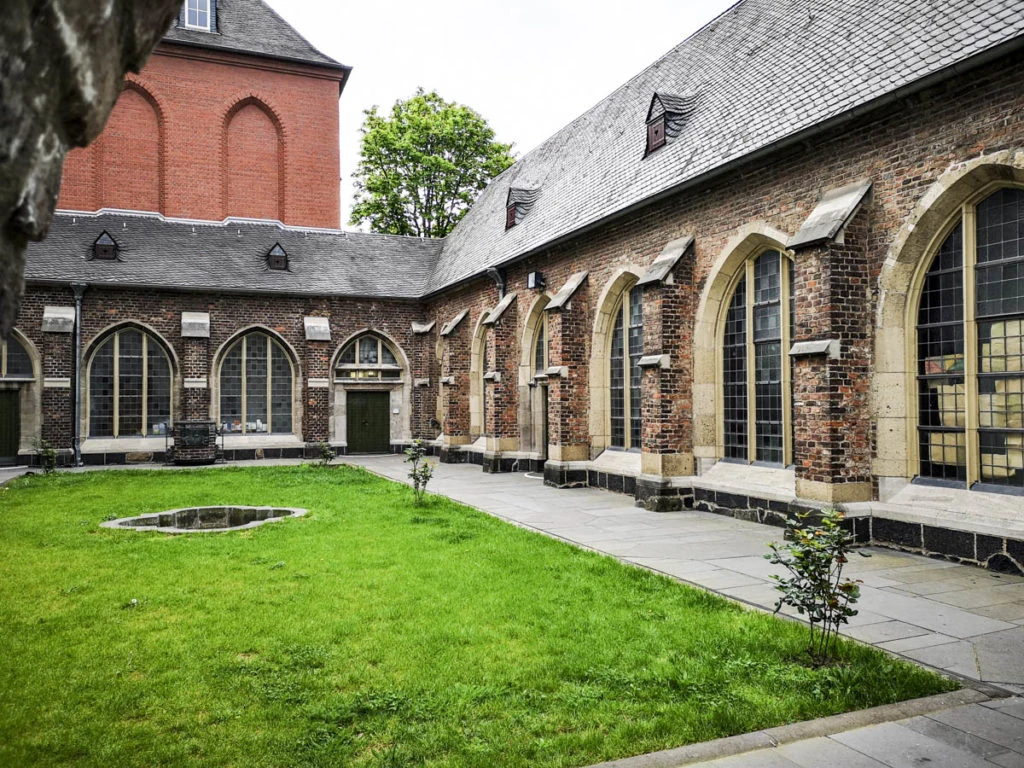
The Carthusians are considered a very strict religious community, whose members have vowed “perpetual silence”. This also meant living in poverty. Due to this, the spacious complex results because the monks live like hermits in separate cells with an attached garden.
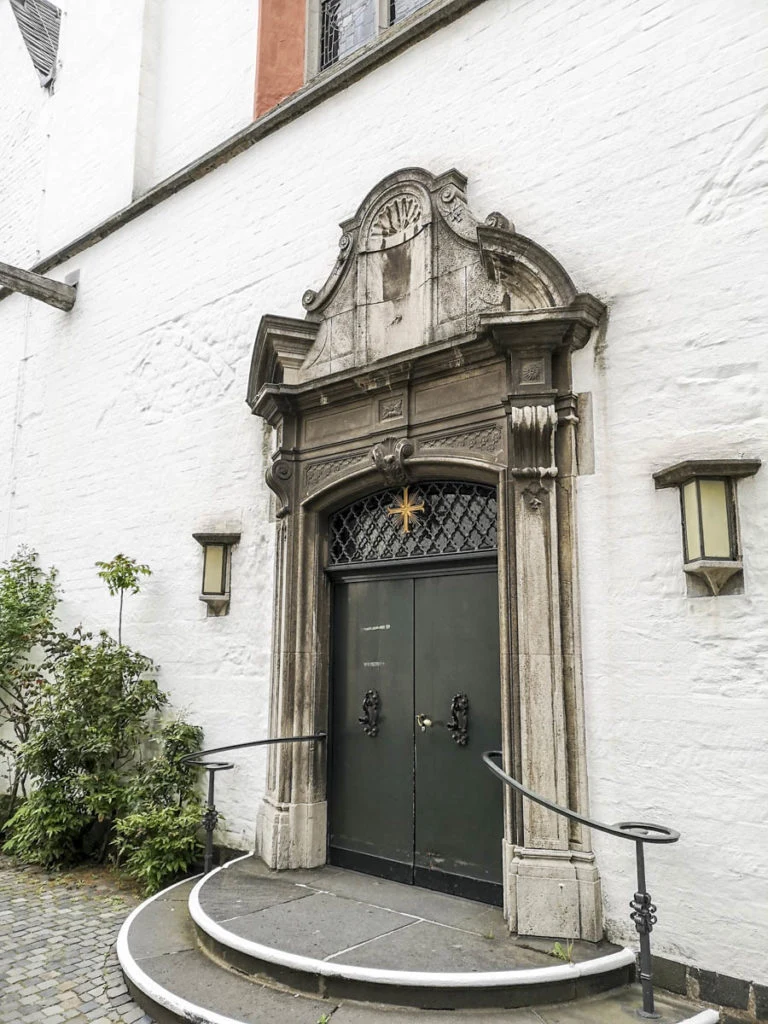
Through the donation of many wealthy patrician families (Scherfffgin, Lyskirchen, Overstolz), the modest monastery became one of the richest in Cologne.
Since 1922, the church of the monastery, which was dissolved in the course of secularization, has been an evangelical parish church. Originally it was located on the outskirts of the city, directly on the medieval city wall. Today, the city has grown around the complex and looks like a green oasis.

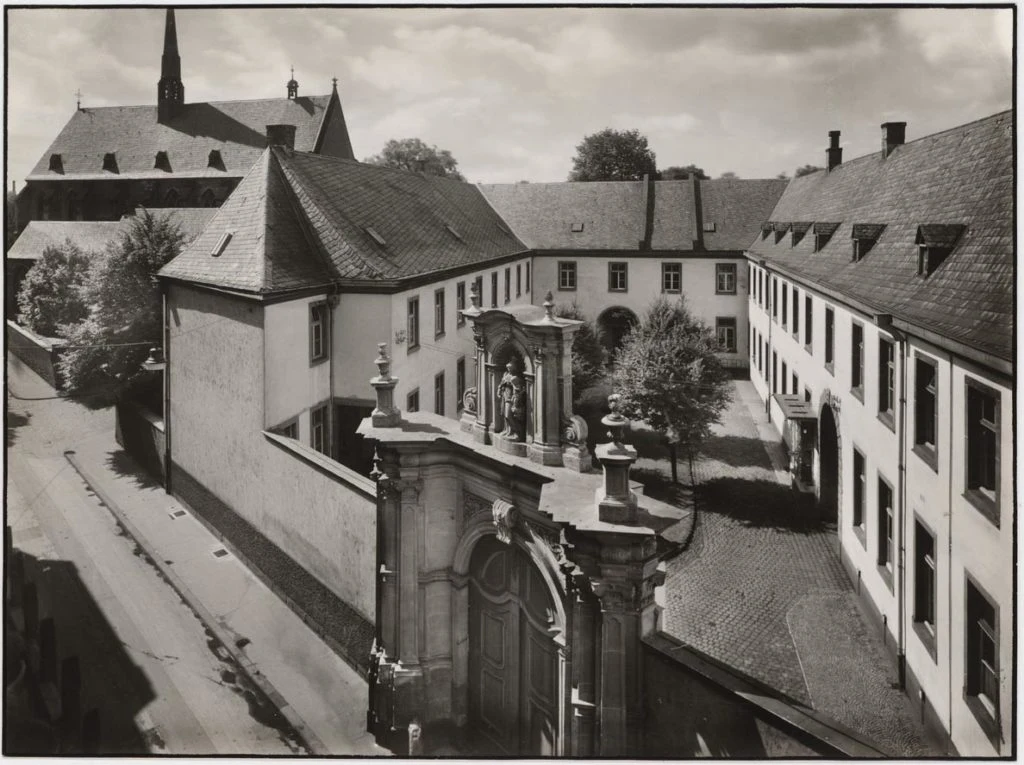
The bombing raids of 1945 did not spare the Cologne Carthusian: the church was severely damaged, the chapter house was completely destroyed, the remains of the cloisters were in ruins and only the outer walls of the brothers' building remained.
The former monastery area now houses central facilities of the Evangelical Church of Cologne.
In the 1920s, a city-famous pacifist and socialist, the “red pastor” Georg Fritze (1874-1939) worked in the community. He was the first evangelical priest at the Carthusian Church. He belonged to the League of Religious Socialists and was a member of the SPD. As a resolute opponent of the National Socialists, he took a clear stand and was denounced, spied on, publicly hostage and persecuted. But the fact that this came not only from the ranks of the National Socialists, but also from internal church circles hit him hard. He refused (initiated by the President of the Evangelical Council of the Churches in Berlin) to take the oath of allegiance to the Fuehrer and was removed from office.
Today, in the Carthusus, a memorial plaque (designed by Rudolf Alfons Scholl) commemorates the courageous pastor. Also on the town hall tower in Cologne's old town is a sculpture by Georg Fritze.
In the 1980s, the community hall of the Carthusian Church was the meeting point of the Cologne peace movement against the stationing of nuclear medium-range missiles.
Sources:
https://www.kartaeuserkirche-koeln.de/kartause.aspx https://www.kartaeuserkirche-koeln.de/geschichte_der_koelner_kartause_.aspx
Martin Stankowski: Cologne. The other city guide, Bd. 2, 1997 Kiepenheuer & Witsch