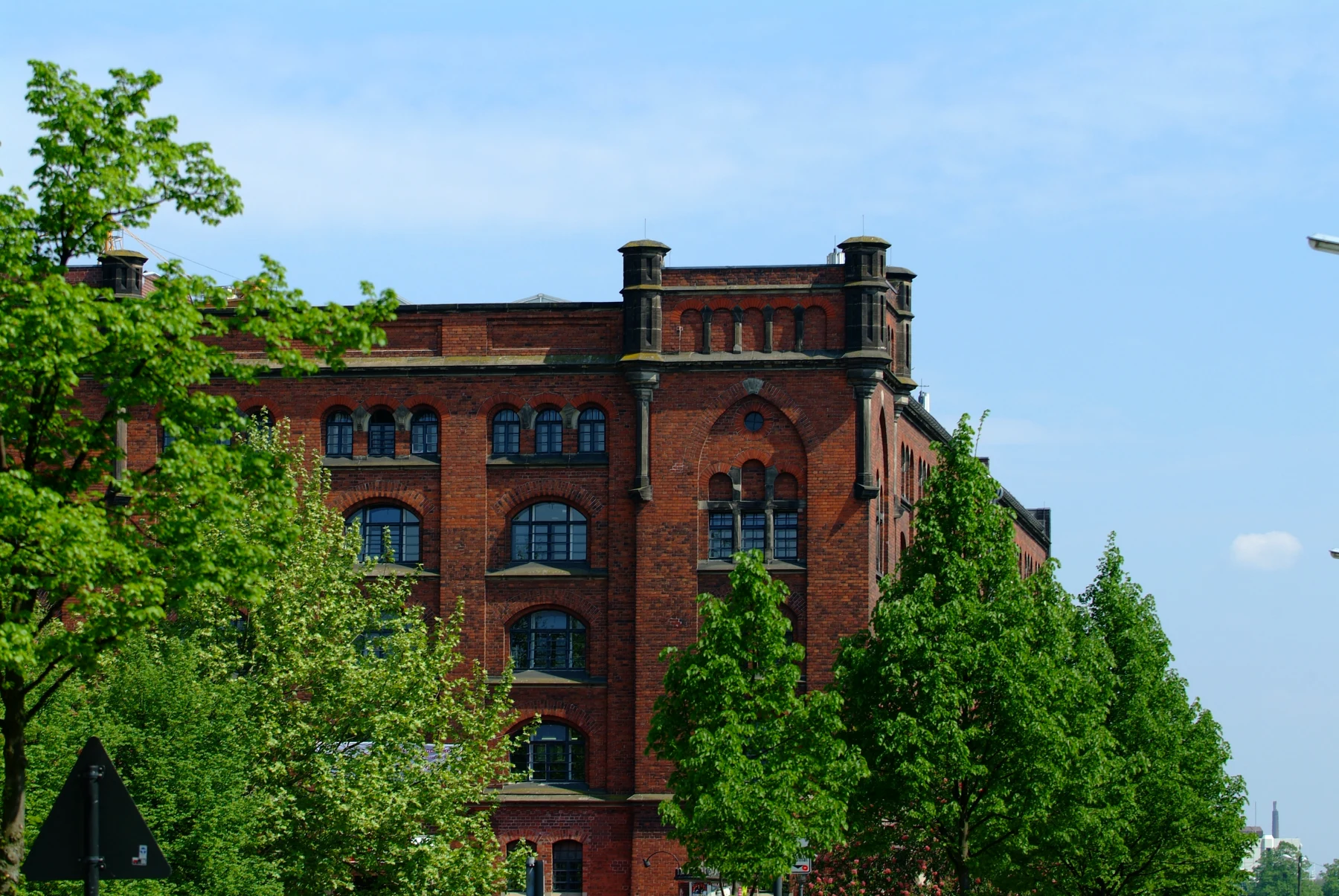
Around 1860, the entrepreneur and cafe owner Franz Stollwerck founded his confectionery factory. In 1872 she moved from the city centre to the Severinsviertel.
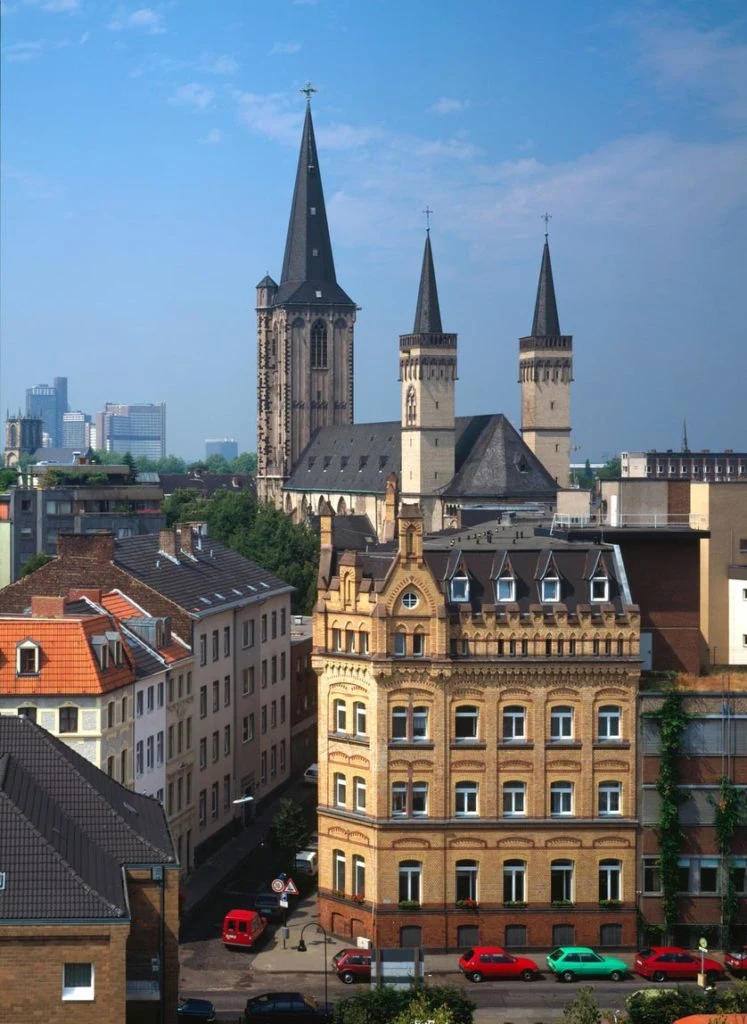
The large factory plant covering more than 55,000 square meters was named "Kamelle Dom" due to the impressive towers on the Severinsmühlengasse.

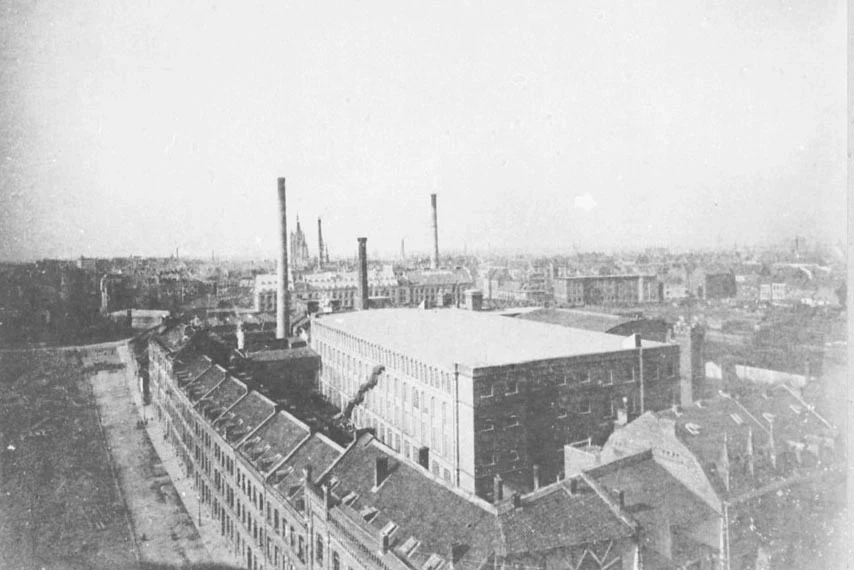
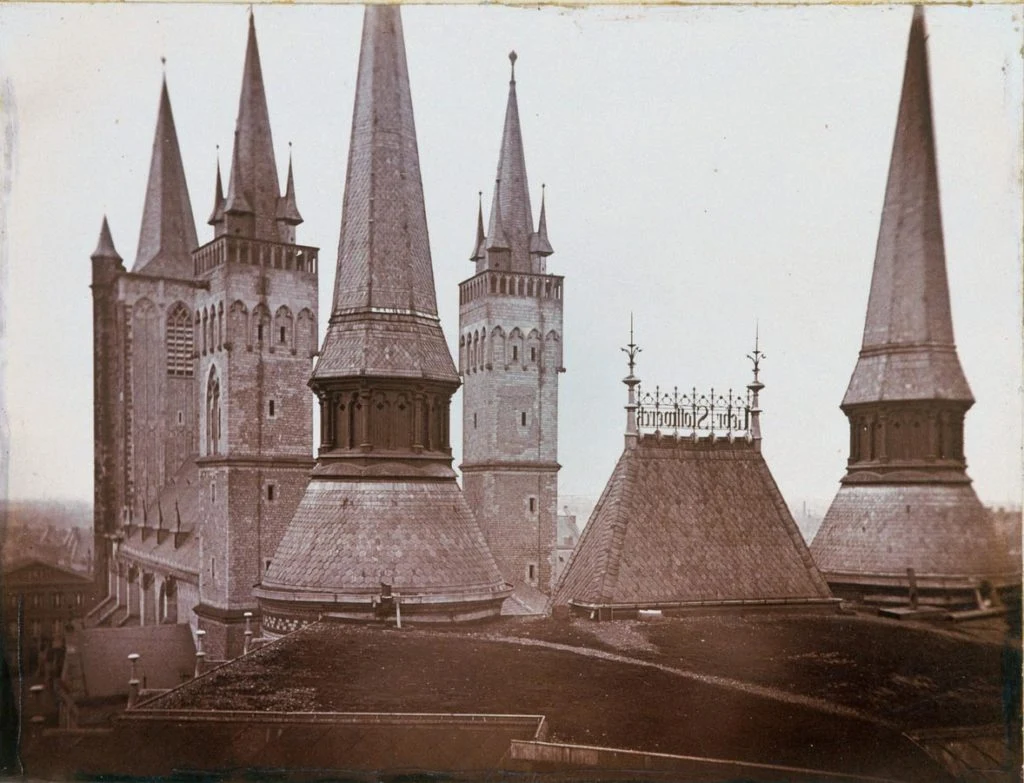

Production expanded rapidly, so expansions were made quickly.
During the Franco-German War of 1870/71 Stollwerck became the general equipment supplier of the Prussian armies, this brought an enormous upswing. At the turn of the century, the chocolate factory was the largest employer in the south of Cologne, but it mainly employed women. The business flourished until the 1950s, in 1972 the factory was sold and became a speculative object. The winner was Hans Imhoff. The property was sold to the city for 50 million, the production moved to Porz.
In the following years, house occupations, cultural initiatives and resident protests took place. However, it could not be prevented that the factory building was demolished.

The Stollwerck occupation It was 49 days long. House occupation of the former Stollwerck- Chocolate factory in Cologne Severinsviertelwhich began on May 20, 1980. With up to 600 squatters, the largest squatter in the history of the city of Cologne received nationwide attention under political and cultural aspects. The question of how to deal with the occupation led to disputes among the governing in Cologne Social Democratsin which, finally, high-ranking representatives of the SPD federal policy intervened. The occupation ended with the withdrawal of the occupiers after negotiations with a Council representative. The main goal, the self-managed conversion of the factory buildings into inexpensive living and cultural space, was not achieved. As a success of the occupation, the factory was, however, in the framework of an interim use over seven years as Cultural Centre Used by a progressive art and theater scene. In 1987, most of the buildings were finally demolished in favor of a new housing development.
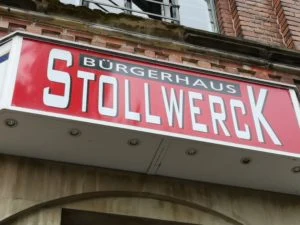
Only the so-called “chocolate bar”, a narrow strip on the Karl-Korn-Straße remained. Other silent witnesses of the factory, which shaped the district over a century, stand in the immediate vicinity.

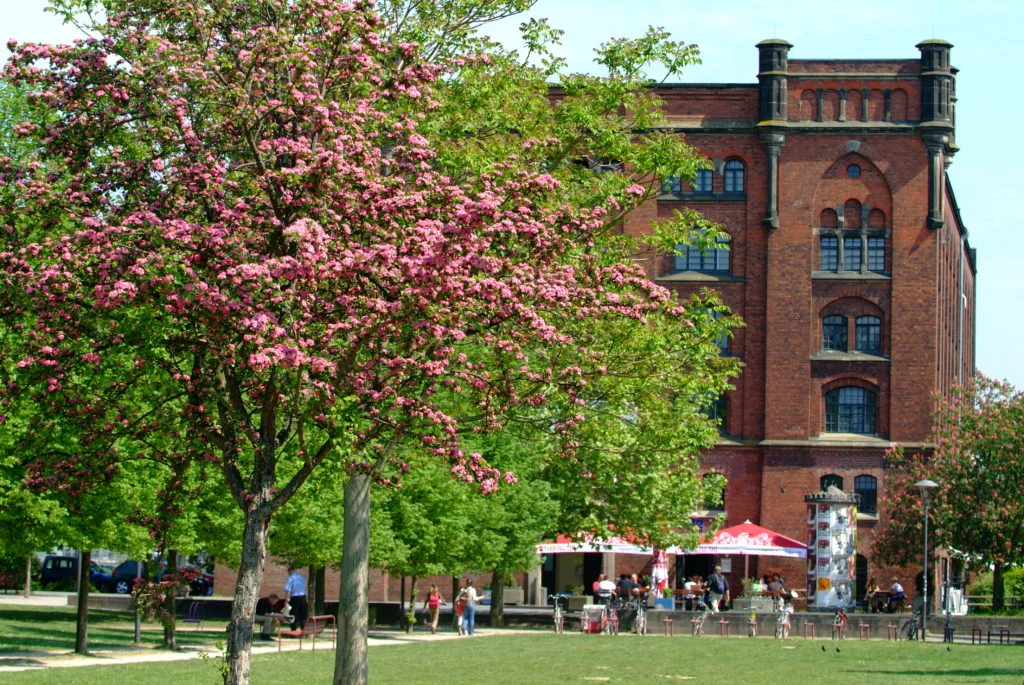
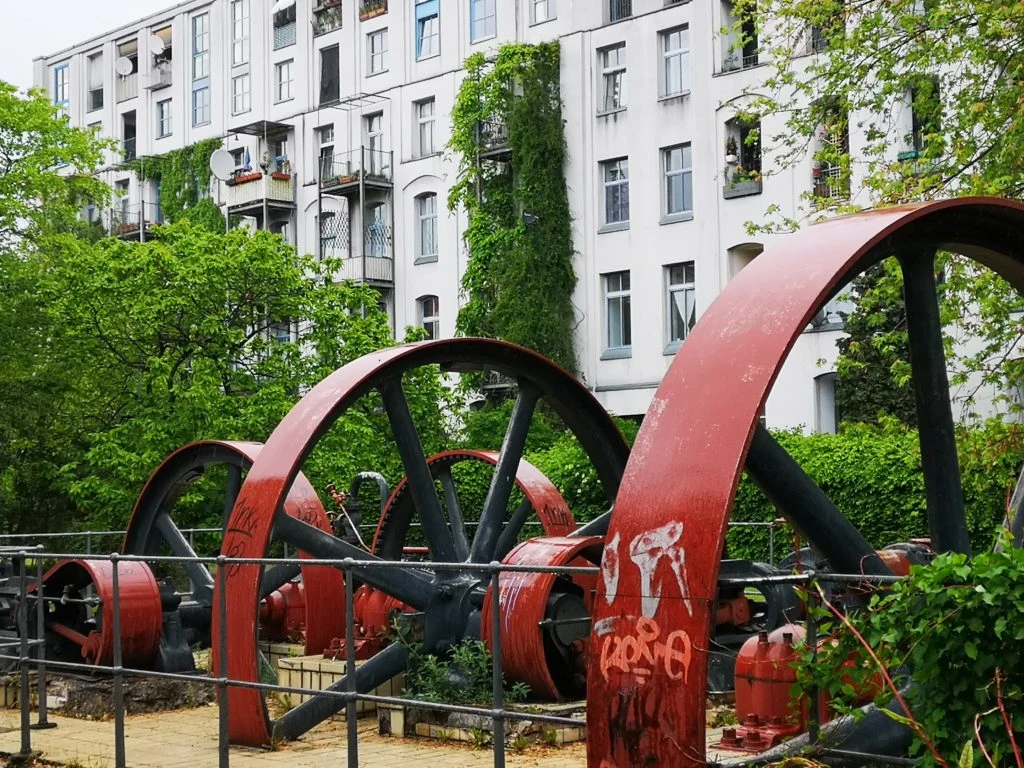
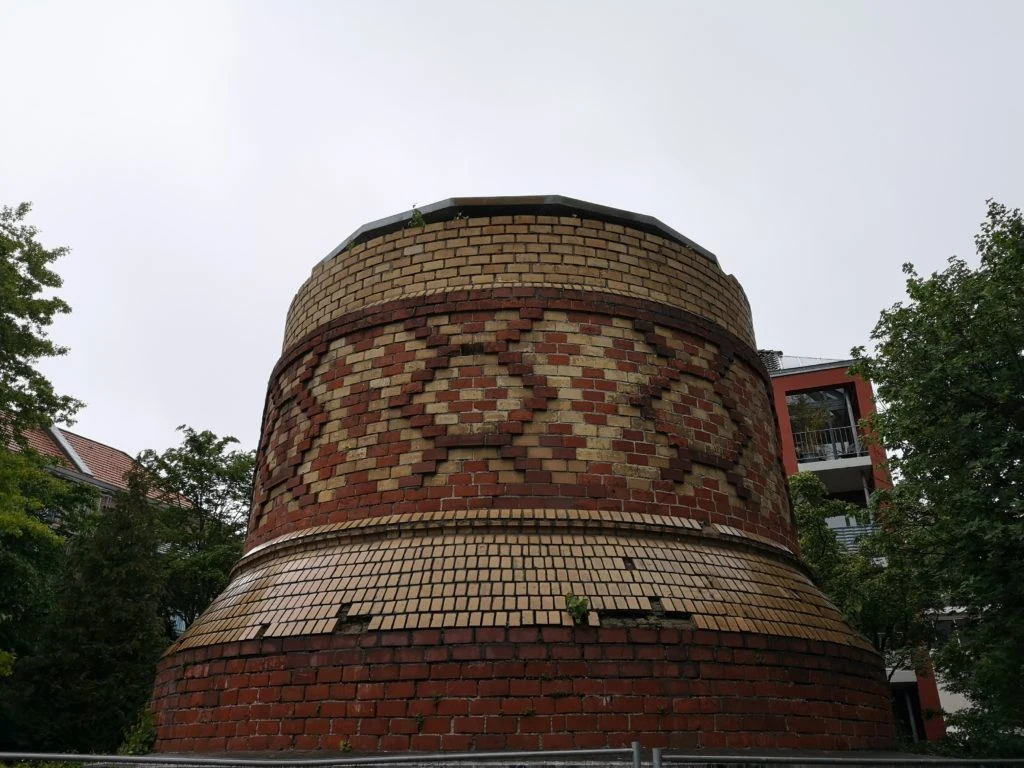
In a green courtyard on Annostraße stand gigantic red steel wheels, connected by axles, set in a tiled concrete podium. These were flywheels that operated compressors that cooled liquid-hot chocolate masses. Also preserved is the stump of an old chimney.
Sources:
Imgrund, Bernd: 111 places to see in Cologne, Vol.1, Emons-Verlag, 2008
https://de.wikipedia.org/wiki/Stollwerckbesetzung https://de.wikipedia.org/wiki/Franz_Stollwerck https://www.schokoladenmuseum.de/de/